

When visiting wildlife conservations, tourists have a unique opportunity to connect with nature and witness incredible biodiversity. However, it’s crucial to approach these experiences with a mindset focused on sustainability and conservation. Here are several sustainable practices that tourists should adopt to ensure their visit has a positive impact on the environment and local communities.
Respect Wildlife and Their Habitats
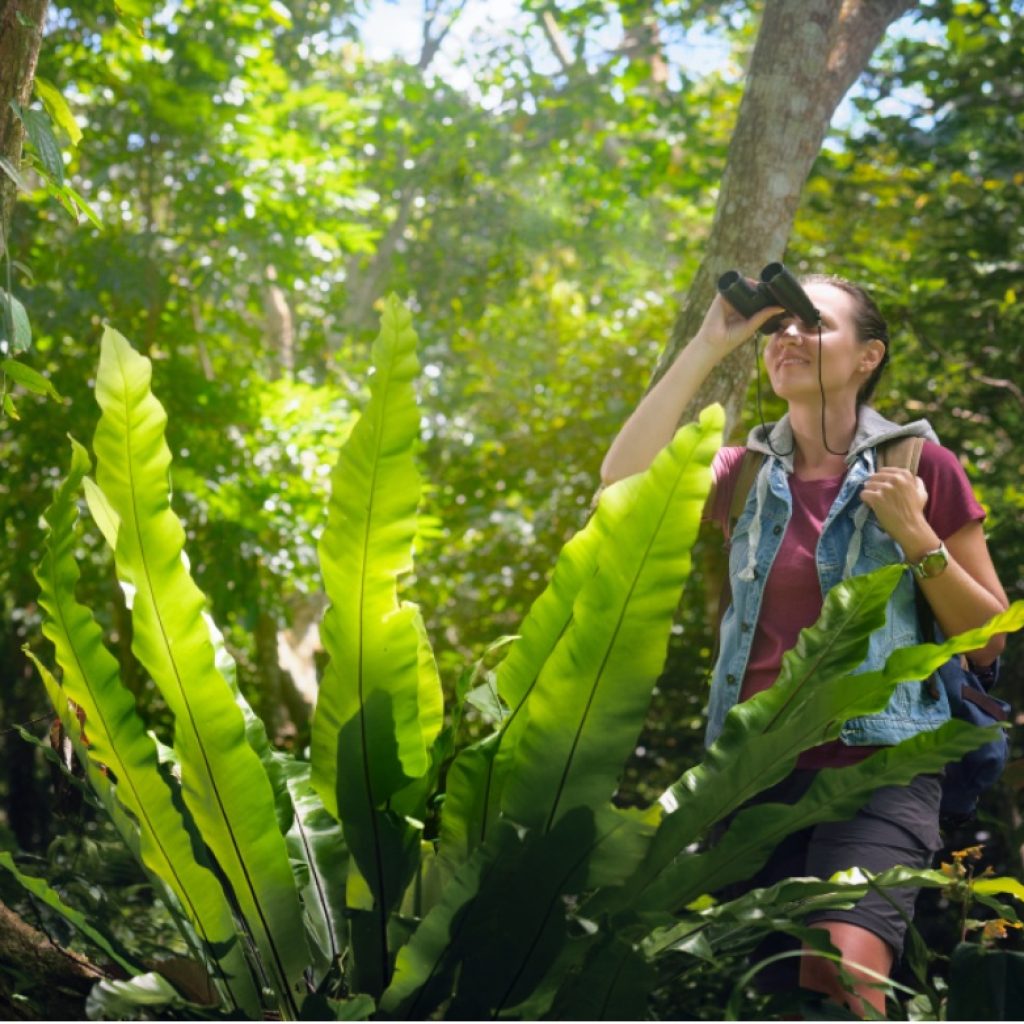
- Observe from a Distance : Keep a respectful distance from animals to avoid disturbing them. Use binoculars or cameras with zoom lenses to observe wildlife without encroaching on their space.
- Do Not Feed Animals : Feeding wildlife can lead to dependency on humans and disrupt natural foraging behaviors. Always adhere to guidelines provided by conservation authorities.
- Stay on Designated Paths : Straying off marked trails can damage fragile ecosystems and disturb animal habitats. Stick to the paths intended for visitors.



Minimize Environmental Impact
- Reduce Waste : Carry reusable water bottles, bags, and utensils to minimize waste. Dispose of any trash in designated bins or take it with you for proper disposal.
- Use Eco-Friendly Products : Choose biodegradable sunscreen and insect repellent to prevent harmful chemicals from entering the ecosystem.
- Conserve Resources : Be mindful of water and electricity usage in accommodations. Opt for establishments that prioritize sustainable practices.



Support Local Communities
-
Buy Local Products : Purchase souvenirs and goods from local artisans to support the local economy and reduce the carbon footprint associated with imported products.
-
Hire Local Guides : Employing local guides not only supports the community but also enhances your experience with their knowledge and expertise.
-
Respect Cultural Practices : Learn about and respect the customs and traditions of local communities. Engage with the culture in a way that is respectful and appreciative.


Educate and Advocate
- Learn and Share : Educate yourself about the conservation efforts and challenges faced by the area you are visiting. Share this knowledge with others to raise awareness.
- Support Conservation Initiatives : Consider making donations to conservation projects or volunteering your time to support ongoing efforts.


Travel Responsibly
- Choose Sustainable Transportation : Opt for public transportation, carpooling, or eco-friendly options like biking or walking when possible.
- Plan Ethical Wildlife Experiences : Ensure that any tours or wildlife interactions you participate in are ethical and prioritize the well-being of the animals.

By following these sustainable practices, tourists can play a vital role in the conservation of wildlife and their habitats. Responsible tourism not only enhances the visitor experience but also ensures that these natural wonders are preserved for future generations.

Comment (0)